How to Distort Natural Light in Wedding Photos
September 18, 2015

All photos © Nick Murray.
Straight Sun
By using the subject’s body to partially block off the direct sunlight, the sun can burst through, creating some of the most beautiful flare imaginable. I don’t use lens hoods, freeing up the opportunity to introduce more haze, light washes and lens artifacts. Every location and direction of sunlight will offer completely unique results. It’s true magic, and without a doubt an epic moment that my clients remember spending together.

LED Keychain
I love using LED keychains to bring color to an otherwise flat area. The first dance is always a great opportunity to try this, but taking it outside gives me a chance to experiment. Here, I attached a blue LED keychain to a twig, simultaneously holding green and orange leaves on either side of the lens. This proved challenging—to be able to hold the objects in front of the lens and release the shutter at the same time took some digit dexterity.

Broken Glass
Shot in a forest away from the wedding venue, just as the sun started to peek out from the tops of the trees in the mid-afternoon, the light bleed on the left was achieved by (carefully) holding a piece of broken glass from a beer bottle I found on the forest floor, just encroaching enough into the front of the lens to bring a soft, warm flare to the image. I’m not suggesting anyone stocks up on beer bottles (unless it’s BBQ time, of course), but to me, this is an example of how, when you’ve got very little, you make the best out of what’s available.

Prism
This technique (executed similarly to the broken glass) is definitely something to use sparingly, and is a trial-and-error art, for sure. Every situation is unique, and different strengths and quality of light at varying times of day can produce various rainbows, reflections and beautiful flare. Even the slightest movement of the prism can alter how a photograph looks, so it gives us something new each time.

Convex Lens
Holding a scientific convex lens in front of the lens adds another element of interest to an otherwise static scene. Here, I’m holding one to the right of the frame, allowing the light behind me to create a nice bleed. You get less rainbowing than a prism, and the flare tends to be softer and wider. I picked mine up on eBay for pennies and keep it in my pocket for easy access at a wedding. It’s probably one of the simplest pieces to have that can make a huge difference to how an image looks and feels.
Related: Master of Light Joe McNally Dissects Three Environmental Portraits
Fully Lit: Getting Artsy with Artificial Light
Related Articles
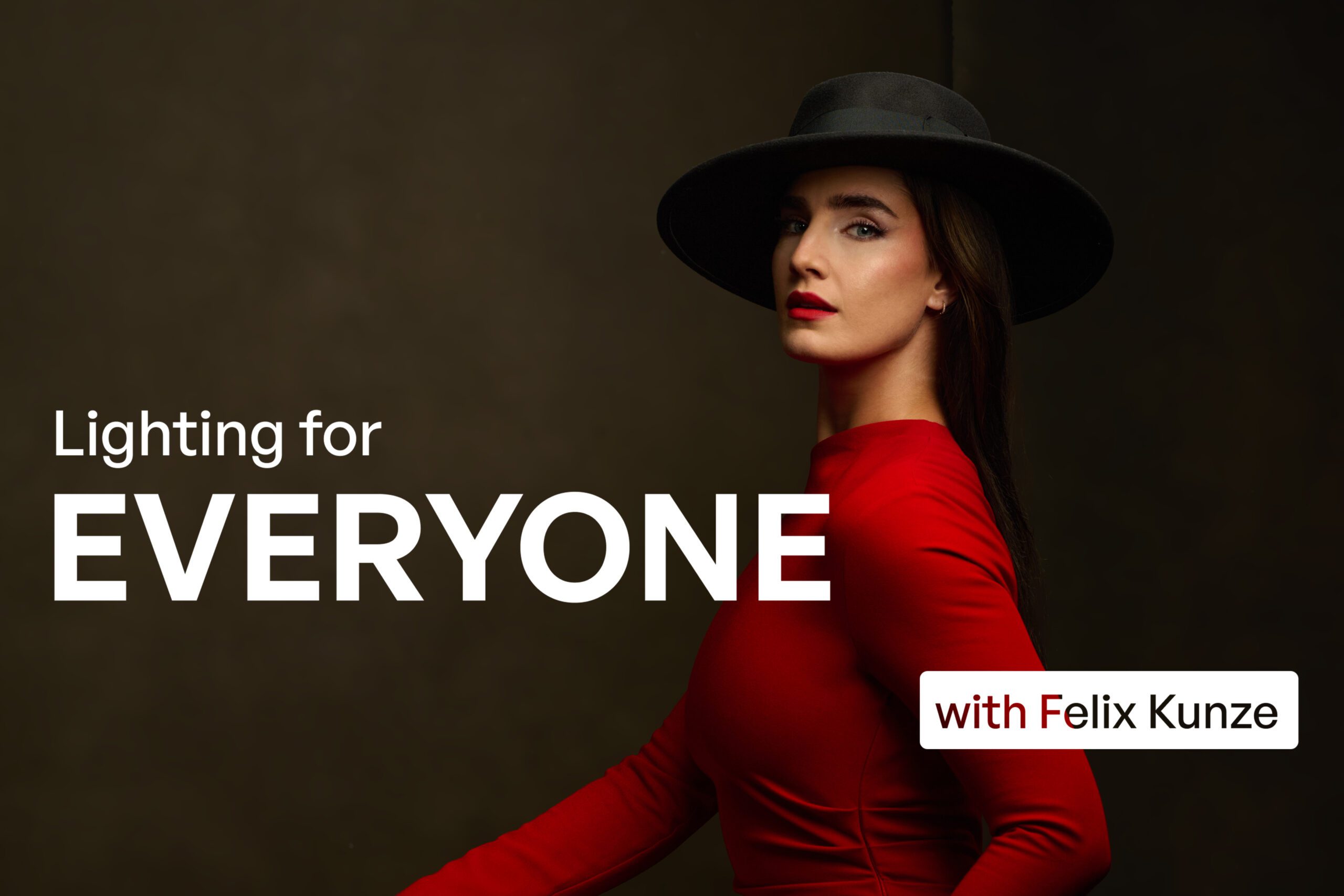
Why Felix Kunze Thinks We’ve Been Overcomplicating Lighting (And What He’s Doing About It)
July 24, 2025
When it comes to lighting in photography, most of us instinctively reach for soft, flattering light. We diffuse our flashes, shoot through umbrellas, and seek out cloudy days. But what if I told you that some of the most striking portraitYou know the moment: your subject is ready, you’ve got about five feet of space to work with, and the...
More »

How to Photograph Fireworks for Couples Portraits
October 24, 2024
Fireworks aren’t just for the Fourth of July! You’ll find them regularly at theme parks, sporting events, and maybe more surprisingly, at weddings. For the latter, fireworks offer photographers a wonderful opportunity to capture epic couples portraits with a truly unique backdrop. Of course, if you’re not familiar with how to photograph fireworks, there are some basic tips you’ll want...
More »

Why Top Photographers are Embracing Hard Light (And You Should, Too)
October 23, 2024
When it comes to lighting in photography, most of us instinctively reach for soft, flattering light. We diffuse our flashes, shoot through umbrellas, and seek out cloudy days. But what if I told you that some of the most striking portraits actually come from embracing hard light? That’s exactly what renowned photographer Roberto Valenzuela teaches in his groundbreaking new Dynamic...
More »