Buffalo Roundup
April 1, 2009
Not long ago my wife and I had the opportunity to photograph a wedding for Ethan and Sarah Walker in Colorado. We are wedding photographers in Detroit and don’t shoot many destination weddings, especially since we have a young child at home, but we decided to photograph their wedding as Sarah is a friend of our family. The groom, Ethan Walker, has cowboy roots. His father, Ron Walker, was a park ranger in Custer State Park in South Dakota where he and his wife Carol raised Ethan and his brothers.
Custer is known for its abundant wildlife, especially its famous buffalo. About 30 years ago, Ron Walker and a group of park officials came up with the idea of running a buffalo roundup. Custer State Park is home to about 1200 buffalo but the park can only sustain about 1000 of those buffalo throughout the harsh winter months. The roundup serves the purpose of corralling the buffalo, tagging, vaccinating, branding and selling off the additional buffalo to maintain a sustainable population. Rounding up 1200 buffalo is no small task. The rangers spend a few weeks moving the buffalo into select areas of the park, which then leads to the main event.
The roundup itself has turned into an amazing spectacle of the Wild West where cowboys on horseback ride across the hillsides and chase down the buffalo until they are all corralled. Over 13,000 people from around the world come to view this amazing event.
Ron Walker is now a retired park ranger and enjoying life in the Black Hills of South Dakota. His son Ethan still rides in the annual roundup and, after my wife and I had photographed Ethan’s wedding, he told me about the roundup and got me excited to be a part of it. After getting in contact with Custer State Park officials, I was able to secure a media credential, which gave me a front row seat to the event along with a private tour of the herd the day before.
Heading to the Black Hills
I flew into Denver and made the six-and-a-half hour drive through the countryside, crossing the open plains of northern Colorado, southeastern Wyoming and then into South Dakota. Custer State Park is part of the Black Hills of South Dakota, which are famous for Mt. Rushmore, but offer a myriad of other things to do including mountain hiking, exploring the caves and many scenic drives.
I arrived at the park on a Saturday afternoon—two days before the main event. One of the park’s highlights is the wildlife loop, an 18-mile drive through the landscape that offers abundant wildlife viewing. It reminded me of the game parks in South Africa where the animals come right up to your car. One of the first things that struck me was the simplicity of the landscape—beautiful, yellow rolling hills with sparse trees interspersed and rich, blue skies.
The loop road was peaceful with few cars on it and nothing but the noise of the wind coming over the hills. I watched lots of elk, donkeys and wild turkeys, but the buffalo were too far from the road for me to get a good look. Upon finishing the loop drive, I took a quick trip to the nearby game lodge where there was an art fair for the crowds to enjoy throughout the weekend.
I was lucky enough to have Ron and Carol invite me to stay at their home, so I had a nice evening of relaxation and good conversation. The topics that come up around the dinner table at the home of a lifetime park ranger are quite different than what I was used to and I sat back and learned all about trees and beetle infestations and things that I, as a photographer, would otherwise know nothing about.
The Buffalo Herd Tour
The next morning I met up with the park rangers at the visitor center where I was given a private tour of the buffalo herd as part of my media exclusive. I got up well before sunrise and drove into the northern end of Custer State Park to photograph the morning light over Sylvan Lake, which is one of the most famous locations in the park and featured in the movie National Treasure II. I made my way to the visitor center by driving down the twisting and turning Needles Highway—an amazing feat of engineering—and one of the most popular drives in the Black Hills.
After receiving a brief orientation from the park rangers, about 15 of us media types loaded up into the back of three pickup trucks and headed into the wildlife loop. We soon drove off-road and the rangers took us right into the thick of the buffalo herd, which was a spectacular site. Hundreds of buffalo dotted the landscape and we slowly moved through the herd and watched them go about their morning grazing. Their dark fur and black eyes were a stark contrast to the yellow grass.
Over the next hill was a waterhole where many of the buffalo were stopped for a drink of water or a cool bath to get out of the hot sun. We were able to drive up to the top of a nearby hill to get a higher vantage point looking down on part of the herd.
Later, I ventured over to the horse corrals. I had been told that the cowboys would have an orientation ride to get familiar with the terrain and learn where they would be going for the main roundup the next morning. I met up with two riders, Ethan and his friend Matt. Seeing the cowboys tending to their horses, along with the ropes, bull whips and dusty saddles really made me feel like I was part of a different era.
All the cowboys met up for a pre-ride meeting, and Ethan, who had done the orientation ride many times throughout the years, told me where they would be headed so I could get there ahead of them and get some photos. I climbed up into the hills where I met up with a few other waiting photographers and we sat amidst the tall grass waiting for the riders.
It was a spectacular sight watching the 30–40 cowboys come over the hillside and ride across the open fields. I caught an image with my Canon Rebel, which has been converted for infrared (above, top) and is still one of my favorite images of all time.
Ethan spotted me and came by to give me a heads up about where they would be going next. After the riders rode out of sight, I headed back to my rental car, spent about 10 minutes picking burrs from my socks and then headed out. The rest of the day was spent enjoying other amazing sights of the Black Hills.
The Roundup Begins
The next morning was the morning of the roundup. The house was up early eating breakfast and packing lunches and preparing for the big day. The roundup itself starts at about 9:30 a.m., but the 12,000 spectators line up outside the park long before sunrise and sometimes even the night before so they can get in quick and get a golod seat. Getting 12,000 people around the 18-mile two-lane loop road takes a lot of time to say the least.
I drove into the park with Ethan, Matt and Ethan’s wife, Sarah. As Ethan grew up there, he knew some back roads into the park that helped us to avoid the hours of traffic and we drove straight over to the horse corrals to saddle up.
I made my way to the media area that was situated in front of the crowds giving an unobstructed view of the landscape where the buffalo would soon be charging through. There were about 30 media personnel including other photographers, videographers and news crews representing some of the stations from nearby Rapid City. Everyone had their tripods and gear ready to go and had to wait a few hours during the cool, crisp morning before the event would take place.
And They’re Off!
After a few hours of waiting in anticipation, we heard a nearby ranger’s radio squawk a few times and he gave us the heads up that the cowboys were about to make the main push.
It started with just a lone cowboy surveying the distant landscape.
Soon we could see the roundup team on horseback and in pickup trucks pushing the buffalo over the far away hillside. Dust was kicking up and the thundering herd was approaching. In less than a minute the buffalo and horses were running at full speed and passing right by us.
Thousands of hooves came pounding by and the adrenaline was rushing as the skillful cowboys and girls steered the buffalo closer and closer to the corrals.
As the buffalo got closer to the corrals they became more ornery and some broke free trying to make a run for it. The crowd screamed with delight as a chase ensued and cowboys went speeding after them. Ethan was one of those riders.
Eventually the riders on horseback and the trucks overwhelmed the buffalos and they soon conceded and made their way into the corrals.
The event is over in a matter of minutes, but definitely worth the hype and excitement. For both riders and spectators, it was the ultimate thrill and definitely something worth putting on a list of things to do in your lifetime.
Prem Mukherjee, along with his wife, Cheridy, are the owners of Arising Images Inc. (www.ArisingImages.com). They are primarily wedding and portrait photographers and were awarded with Best Photographers in Detroit in 2007 and 2008. Despite their success in photographing people, landscape and travel photography are a strong part of Prem’s roots. Prem and Cheridy have had the opportunity to travel and document life and landscape all around the world. Seeing life in other areas helps to broaden their horizons and reminds them of how blessed they truly are.
Related Articles
AIBP’s Boudoir Photography Competition: The Visionary Awards
August 21, 2024
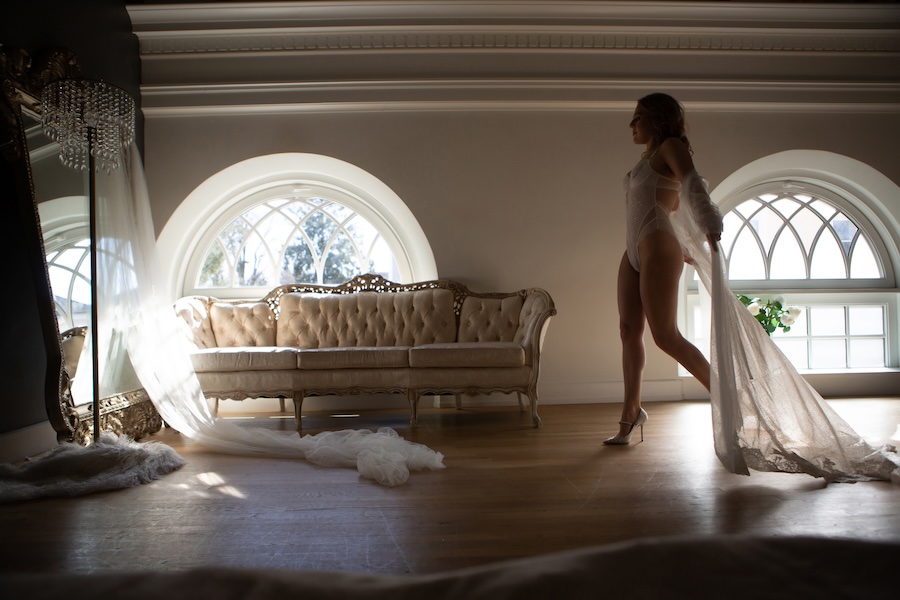
The Association of International Boudoir Photographers (AIBP) has announced their inaugural edition of the AIBP Visionary Awards, a boudoir photography competition. Since 2009, AIBP has been the leading boudoir photography association, providing a community space for photographers to enhance their craft, build their business, network with colleagues and explore educational resources. Their new competition is accepting submissions from now until...
More »
Legend Elopement Photography Awards: Round 2 Winners
July 30, 2024
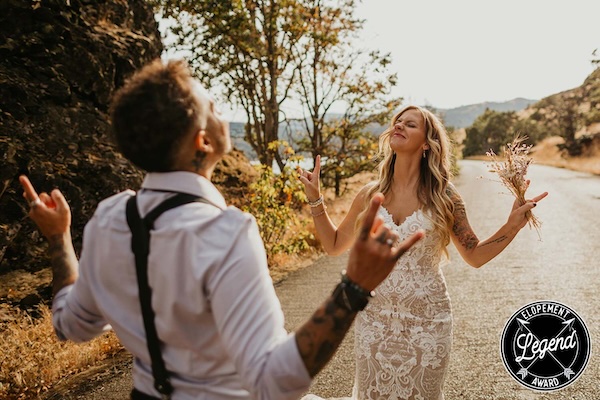
The Legend Awards is a photo competition for elopement photographers to show off their documentary photography skills. This article features some of the award winning images from Round 2. See the full gallery of winners here. What stands out in each of the award-winning photos is the emotion and personality of every couple. In these images, we can learn something about...
More »
Icons of Fashion Event with AB+DM & Lindsay Adler
July 24, 2024
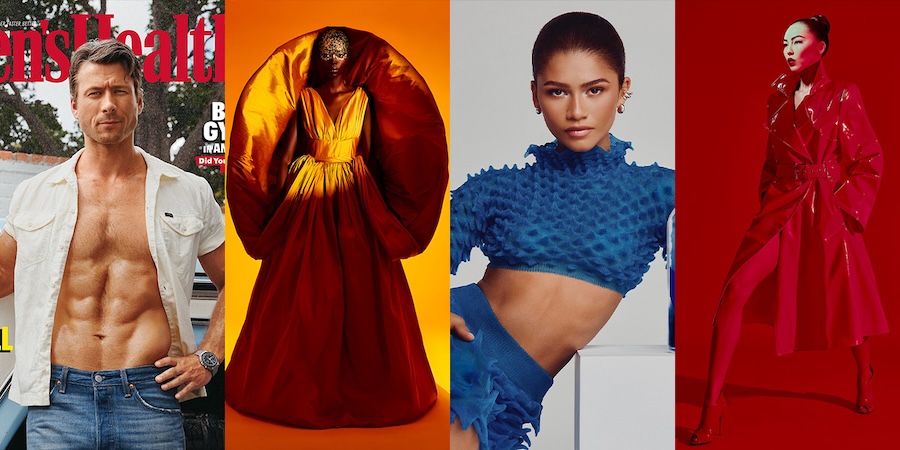
Beloved WPPI educator Lindsay Adler will be joining with AB+DM Studio – Ahmad Barber and Donté Maurice – for an exciting weekend event entitled Icons of Fashion. Part lecture and part shootout, this event offers “a behind-the-scenes look into the world of fashion photography and creative mastery.” On the first day, attendees will have access to multiple iconic fashion looks...
More »