Light Reading: The Post-Production Pros Preach
January 6, 2016

How Do I Do That In Lightroom?
By Scott Kelby
Rocky Nook, 272 pp. | $23.99
As much as the digital universe has anointed us with creative independence, in some ways we’re now slaves to the megalithic brand of after-capture tools known as Adobe. The good news is that there walks among us a natural-born liberator, photographer/ author/educator Scott Kelby.
Kelby aims to demystify the labyrinth of Adobe’s postproduction functionalities with books that are best sellers, particularly among those of us who orbit the zone between being serious photographers and pixel-addicted after-capture wonks. Last spring, he gave us How Do I Do That In Photoshop? Now, he brings us the same approach with another, user-friendly guide (this time for increasingly complex image-editing software) in How Do I Do That In Lightroom?
“Don’t read it in order,” he advises us in the intro (in his signature cheery, just-usbuddies vernacular), “it’s not that kind of book.” He’s referring to his newly adopted modular style of presentation. “This is more like an ‘I’m stuck. I need help right now’ book,“ he explains, “so when you’re working in Lightroom and need to know how to do a particular thing right this very minute, you just pick it up, turn to the chapter where it would be (Print, Slideshow, Organizing, Importing, etc.), and the thing you need to do, and I tell you exactly how to do it…”
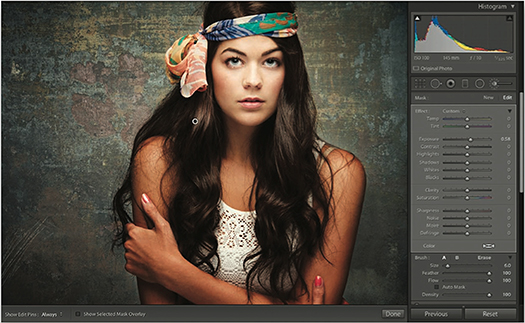
Scott Kelby’s modular style of presenting information in How Do I Do that in Lightroom? (like its companion volume, How Do I Do That in Photoshop?) permits readers to cherrypick instructions for specific lightroom actions as they come up in their workflow. Photo © Scott Kelby.
The list of possible Lightroom speed bumps that Kelby covers in this reference book fashion is exhaustive. These are not just garden variety FAQ’s; Kelby understands Lightroom workflow and he anticipates every problem you’ll encounter, from importing images (“How Do I: Make LR Open Automatically When I Insert a Memory Card?) to editing (”How Do I: Adjust Overall Exposure?”) to using the brushes (“How Do I: Soften Skin?” and “How Do I Erase Something If I Make a Mistake?”) and so on.
In short, How Do I Do That In Lightroom?, like its companion title, is as close to a personal Q&A as you can get without tweeting the maestro himself in real time. If you’re a candidate for this kind of information, you already know that this one’s a must for your bookshelf.
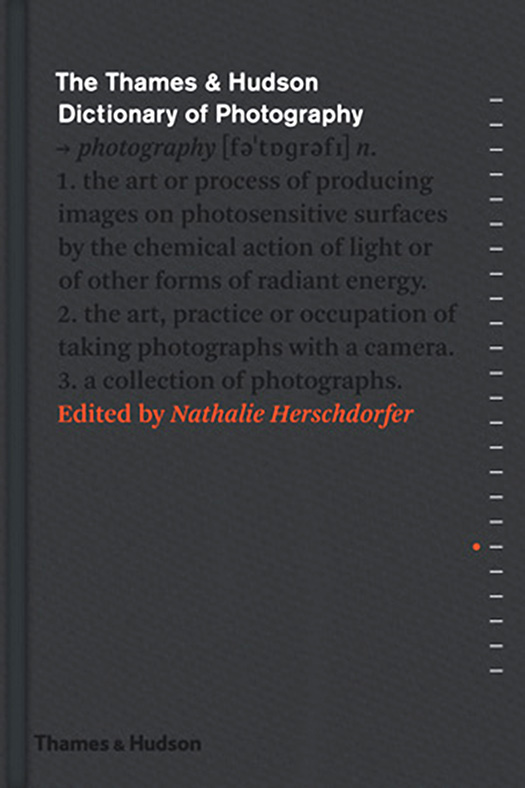
The Thames & Hudson Dictionary of Photography
Edited By Nathalie Herschdorfer
Thames & Hudson, 440 pp. | $100
This exhaustive, copiously researched and lovingly compiled reference work hits all the bullet points from A to Z, as well as a huge body of information that photographically oriented bullet points don’t customarily touch. For example, entry number one, “Abbas,” cites a not particularly famous Iranian shooter for Magnum Photos, who is considered an important photojournalist and combat photographer. There are scores of such photographer profi les among the book’s 1,200 entries from the “legends” of this craft to lesser-known, but influential shooters, plus painters, designers, inventors and historians, and an abundance of great images, along with the expected coverage of technical and historical topics. All are dealt with, in the pared-down language of reference works, with just the right amount of detail to whet your appetite for more information.
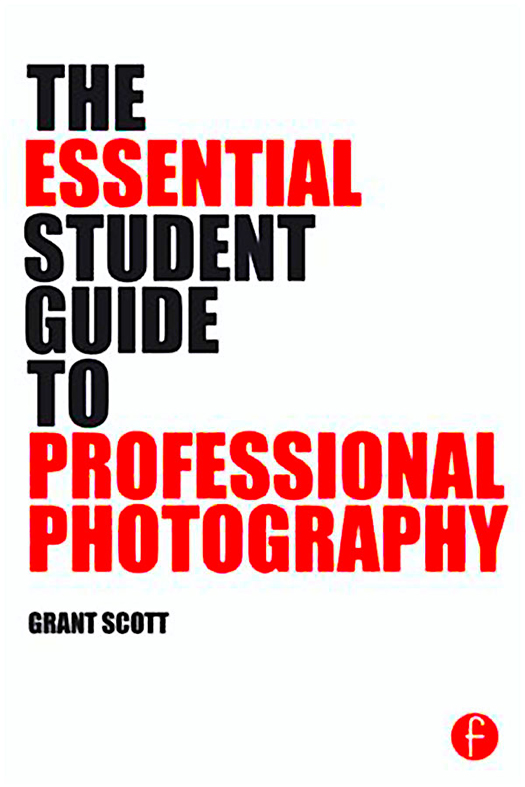
The Essential Student Guide to Professional Photography
By Grant Scott
Focal Press, 182 pp. | $23
The idea of launching a career in this craft is a daunting prospect indeed. Fortunately, Grant Scott has produced a well-organized, thoroughly no-nonsense compendium of realistic strategies and tips. Scott’s credentials as a shooter, editor and former book and magazine art director give him the perfect platform for helping newbies through the early stages of their forays into this unpredictable but exciting profession. Of course, if you’re reading this magazine, chances are you’ve already embarked on this journey. Since we never outgrow the need to learn, there’s no doubt you’ll find some useful advice in The Essential Student Guide.
Related: Light Reading: The Cool and the Colorless
Light Reading: Harnessing the Best Storytelling Moments
Light Reading: Gowns, Guitars and the Gamut of Flash
Related Articles

Exposure! – Julia Boggio’s New Book Set at Fictionalized WPPI
August 5, 2024
What do you get when you bring together thousands of photographers with big talent and big personalities in “Las Vegas, a place where anything can happen”? That describes WPPI — the largest photo conference in the world –- to a T, and in the keen writerly eye of Julia Boggio, the answer is “drama and romance.” Her final novel in...
More »
Howard Schatz’s 23rd Volume: A Photographic Pas de Deux
October 18, 2023
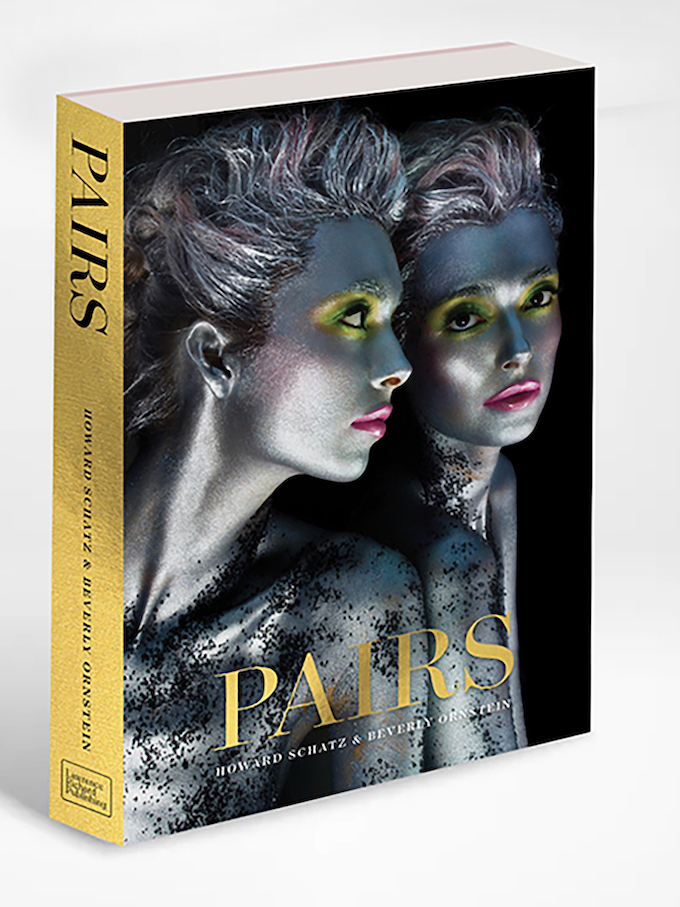
Versatile Howard Schatz Weighs In with His Latest Astonishing Monograph PAIRS by Howard Schatz and Beverly Ornstein Lawrence Richard Publishing 403 Pages. 365 photographs $40.00 This twenty-third entry in Howard Schatz’s tally of published books shares a lot in common with his earlier collections. His latest, Pairs, out this month, brings into focus the most important trademarks of this gifted photographer’s vast body...
More »

Photo Books: Compelling New Titles for Spring 2023
April 12, 2023
Freshen up your coffee table this Spring with fresh photo books. Michael Chinnici’s Vanishing Cuba: Curated Photo Storytelling Collection is a rhapsody on the beauty, culture, and stories of Cuba. Movement at the Still Point is celebrity photographer Mark Mann’s pandemic project, where he captures images of dancers in motion and also captures their still portraits. Finally, Ernst Haas: The American...
More »