The Textbook for a Digital World
September 30, 2014
Today’s media environment is a constantly evolving high-speed Goliath, with hardly a scintilla of the occasional predictability we used to enjoy in the so-called “good old days.” Once digital photography established itself as the new paradigm in our profession, lots of younger shooters seemed puzzled by the “brave new world” complaints from so many older, established shooters.
But it isn’t strictly a matter of digital technology versus analog. Pictures are pictures; that hasn’t changed. What has changed is practically everything else. The matrix has changed.
Grant Scott—writer, photographer, designer and editor—is a veteran of this great transition. Scott has produced his own candid guide to help serious shooters thrive in the current complicated marketplace we all face today: Professional Photography: The New Global Landscape Explained.

NEW COMPASS, NEW SKILLS
As someone whose career arc straddles the analog-digital gulf, Grant understood early on the changes that would soon challenge that passion and turn everyone’s old work habits and traditional business styles virtually upside down. “The old road has been ripped up and replaced by an entire network of possible routes with few, if any, signposts,” he writes. “The professional photographer needs a new compass and a new set of skill.”
In a little less than 200 pages, Professional Photography outlines Scott’s take on the new skillset photographers need to know now, along with his advice on how to acquire them and how a photographer can nurture and promote his or her digital persona.
Some of Scott’s insights are proverbial wake-up calls. One is his emphasis on the still shooter’s recent, seamless expansion capabilities into shooting live action. It can have a major influence in redefining a photographer’s role. The release of the Canon EOS 5D Mark II, Scott writes, “helped to create the concept of the image-maker. It was not the first DSLR that featured HD video functionality…but it was the one that the filmmakers embraced and recognized as a piece of equipment that they could use to tell stories…which had previously been beyond their budgets… However, most photographers were slow to grasp the concept of the moving image. Why would they make films?”
He answers that question in a chapter on making the still-to-live action leap, citing first the work of courageous photojournalists Danfung Dennis and the late Tim Hetherington, who both added intense, edge-of-the-seat motion pictures to their still coverage of the Afghanistan conflict.
But beyond these photographers’ clearly heroic undertakings is a universe of filmic options for the rest of us. Behind-the-scenes live action coverage of still work such as ads, fashion shows and special events—and practically anything else a still shooter might undertake—is eminently accessible with the new generation of pro DSLRs, and Scott comes down hard on this point. Thanks to YouTube and a growing interest among clients for getting the most for their promotional dollar, live action is now a serious way for the digital still shooter to add tangible value to his or her business model.
PROMOTE THYSELF
Not surprisingly, Scott devotes a lot of space to online promotion, in particular, the website—what he refers to as the photographer’s “shop window.” In many cases, he writes, the website is a misunderstood and misused tool, and that fact alone can lead a photographer to getting consigned to the list of the uninvited.
As a former editor of Professional Photographer, Photography Monthly and Turning Pro magazines, Scott knows the intricacies of websites, and he’s unforgiving on the subject of the overboiled versions that seem to dominate the internet. “Your website is the foundation of your business,” he explains, “and it needs to be kept simple. You need to edit your work tightly—no more than 15 images in any particular section—with a sense of narrative when considering which images to include and in which order. This may be a painful process…”
.jpg)
Scott singles out the work of Chris Floyd, who published a portrait series of people he had only previously met by hashtagging them on Twitter. The book and traveling exhibit that ensued became important promotional tools for Floyd’s commercial work. Photo © Chris Floyd
Scott is equally down-to-earth on the question of social media, the whole world’s 24/7 water cooler conversation: “Facebook and Twitter are the two main platforms that professional photographers use to build their online communities, promote their work and develop online personalities. However, there are others that need to be considered and understood.”
On the subject of the supposedly more utilitarian LinkedIn, Scott declares it a bit hermetically sealed to newbies: “LinkedIn…works well if you already have a client base or are actively networking within the industry, but is less useful for photographers who are just starting out.”
PERSONAL WORK: A PHOTOGRAPHER’S DNA
This book is valuable in a score of other ways, from creative marketing ploys like doing podcasts and “vodcasts” to the practical realities of areas like print sales and exhibiting work in the digital-fixated world, to nuts-and-bolts topics like budgeting and dealing with the maddening convolutions of copyrighting digital imagery.
.jpg)
An example of the power of personal work Scott talks about in his book, from Londoner Niall McDiarmid’s series “Crossing Paths,” which took him to 75 towns in the U.K. Photo © Niall McDiarmid
One area that Scott is especially passionate about is the power of the personal project. “Personal work,” he insists, “is an essential factor in the DNA of the 21st-century photographer.” He extolls the value of “photo sketching” and encourages the rule-breaking that personal work often entails, liberating photographers from established “looks” in composition and lighting and casting.
In one chapter he shows samples of emotional, free-spirited experimental shooting—possibly his way of telling us to defy the harsh realities that the revamped commerce of photography brings with it. And, ironically, self-expression is what makes this or that shooter actually stand out in the commercial arena. Personal projects, he writes, have “become the lifeblood pumping around the body of the global network of photographic commissions…”
In this seemingly vast digital ocean we’re all sailing now, Scott’s book manages some inspirational cheerleading for this new technological environment that, in his words, has given photographers “the tools not only to create images but…to build a community for their work and to communicate with it directly—in short it has put photographers in control and opened up a vast array of creative opportunities.”
Also On Our Radar
 Walker Evans: The Magazine Work
Edited by David Campany
For object lessons in how to think like a photographer, our best sources are often the legends of this medium, who worked long before the digital homogenization of the image. Walker Evans is one of the true giants of this art, with a passion for literature, the compelling intricacies of the human face and the earthy details of our collective existence—including lofty architecture down to hand-lettered signs in small-town storefronts.
While Evans’ books are among the most influential in photographic history, much of his magazine work has gone largely unseen, until now. This lavish collection, edited by David Campany, showcases all the mainstream titles Evans was published in—including Vogue, Harper’s Bazaar, LIFE and Fortune—and reveals how this important artist was able to maintain his independence in the autocratic realm of magazine production.
Walker Evans: The Magazine Work is an important title and an interesting read, worthy of the top shelf in your
office or home library.
 No Plastic Sleeves: Portfolio and Self-Promotion Guide for Photographers and Designers
2nd Edition
By Larry Volk and Danielle Currier
A good companion volume to the interesting Focal Press title featured above, No Plastic Sleeves takes the process of presenting your work into the 21st century. While printed pieces might still form the core of your portfolio, your online presence is an equally, if not more important facet of self-promotion.
Authors Larry Volk and Danielle Currier help you objectively evaluate your own work, create a distinctive brand concept and apply effective design strategies, both in print and online. The book is illustrated with hundreds of effective, successful samples, and includes interviews with industry professionals from both the seller and buyer sides of media transactions.
Beyond the building of an effective portfolio, the authors—who each have excellent credentials in both the academic and commercial photography world—also focus on the importance of integrating blogs and social networks into your self-promotion schema.
Related Links:
10 Surefire Ways to Get Found Online
Branding with Blair: How to Set Yourself Apart with Strong Marketing Strategies
How to Master Your Online Marketing Strategy (Plus 10 SEO Need-to-Knows)
Related Articles

Exposure! – Julia Boggio’s New Book Set at Fictionalized WPPI
August 5, 2024
What do you get when you bring together thousands of photographers with big talent and big personalities in “Las Vegas, a place where anything can happen”? That describes WPPI — the largest photo conference in the world –- to a T, and in the keen writerly eye of Julia Boggio, the answer is “drama and romance.” Her final novel in...
More »
Howard Schatz’s 23rd Volume: A Photographic Pas de Deux
October 18, 2023
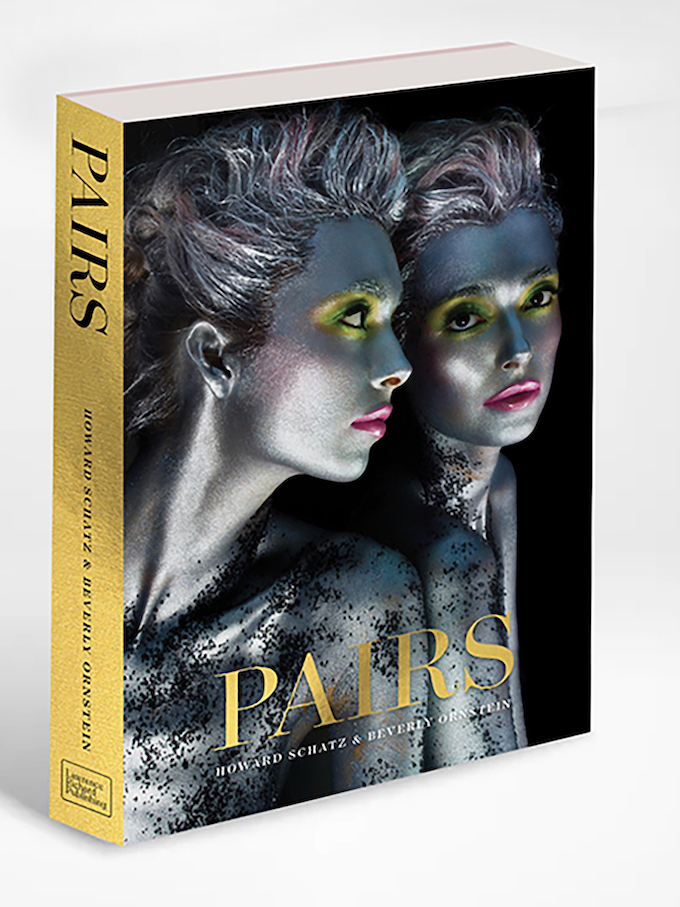
Versatile Howard Schatz Weighs In with His Latest Astonishing Monograph PAIRS by Howard Schatz and Beverly Ornstein Lawrence Richard Publishing 403 Pages. 365 photographs $40.00 This twenty-third entry in Howard Schatz’s tally of published books shares a lot in common with his earlier collections. His latest, Pairs, out this month, brings into focus the most important trademarks of this gifted photographer’s vast body...
More »
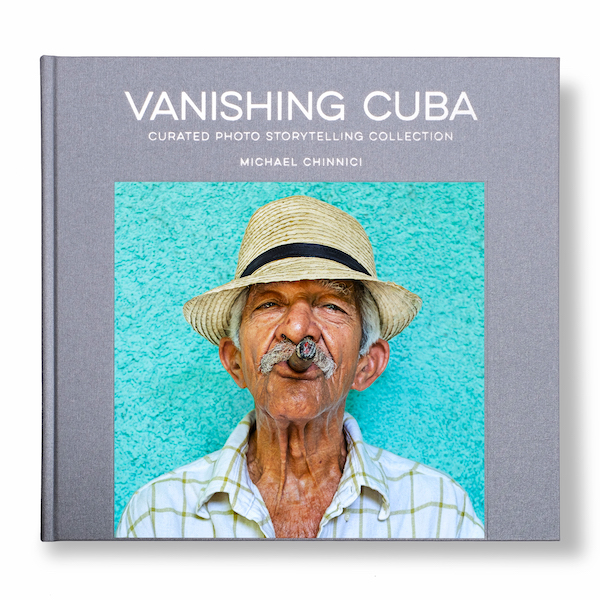
Photo Books: Compelling New Titles for Spring 2023
April 12, 2023
Freshen up your coffee table this Spring with fresh photo books. Michael Chinnici’s Vanishing Cuba: Curated Photo Storytelling Collection is a rhapsody on the beauty, culture, and stories of Cuba. Movement at the Still Point is celebrity photographer Mark Mann’s pandemic project, where he captures images of dancers in motion and also captures their still portraits. Finally, Ernst Haas: The American...
More »